AI for Multimodal Learning

Back to Verticals page

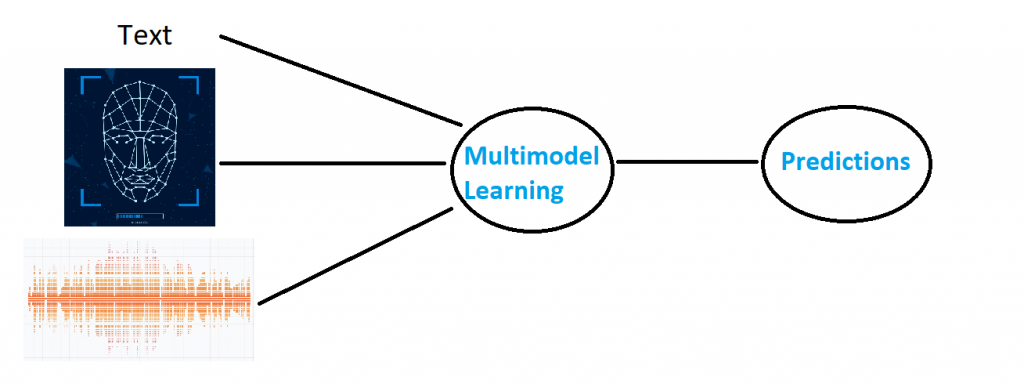
In Multimodal Learning, the focus is on developing systems that can seamlessly integrate information from diverse data types such as text, images, and audio. By using the power of multiple modalities, our AI models aim to enhance comprehension, enabling more robust and versatile solutions across various applications.

a. Single-Branch Networks for Multimodal Training

In this study, we aim to address the huge volume of multimedia content on social media by proposing single-branch networks. This approache is designed to adeptly learn discriminative representations for both unimodal and multimodal tasks, introducing a transformative paradigm for handling audio, images, and text seamlessly. A pivotal aspect of our research lies in developing versatile approaches and algorithms that empower the single-branch network to undergo training with either single or multiple modalities, ensuring optimal performance without compromise.

Related Publications

b Cross-Model Verification and Recognition

In this study, we introduce a challenging task focused on establishing associations between faces and voices across various languages spoken by the same individual. The primary objective is to address pivotal inquiries: "Will face-voice association proves to be language independent?" and "Can a speaker be reliably recognized regardless of the spoken language?". These inquiries hold significant importance for comprehending the efficacy of the technology and will guide efforts to advance the development of multilingual biometric systems. Our future perspective aims to unravel the intricate dynamics of cross-language face-voice associations.

Related Publications

c. Multimedia Learning Using Conceptual Graph

In this study, our focus lies in the exploration of multimedia text-to-picture mobile learning systems based on conceptual graph matching. While multimedia learning involves constructing mental representations from words associated with images, the current challenge involves the labor-intensive and time-consuming manual work required for pedagogic illustrations. Conventional systems relying on optimal keyword and sentence selection may encounter information loss. We aim to address these limitations by investigating innovative approaches that leverage conceptual graph matching, paving the way for more effective and efficient multimedia learning systems on mobile platforms.

Related Publications